Here’s a fun way to explore the world around you with input from your whole family. With a little planning, you can create a cultural bucket list that maps out meaningful experiences right in your own backyard. Whether you use it during cultural heritage months or as a year-round tradition, your list can include museums, food, stories, and community events. As your curiosity grows, create new lists for each culture you’d like to explore and most of all, don’t forget to have fun along the way!
Notes: I curated the information used in this blog from experience and research into a variety of cultures and languages. As we build our own bucket list and complete it, I’ll update this blog to optimize efficiency.
No affiliate links are included in this blog.
Bookmark it as a reminder to continuously update lists and create new ones!
In this blog...
Explore the World Around You
What is a Cultural Bucket List?
A cultural bucket list is a collection of people, places, and themes your family wants to explore to better understand a specific culture or moment in history. In the DMV, that might mean visiting a museum, trying a new restaurant, attending a community event, or learning the story behind a local neighborhood.
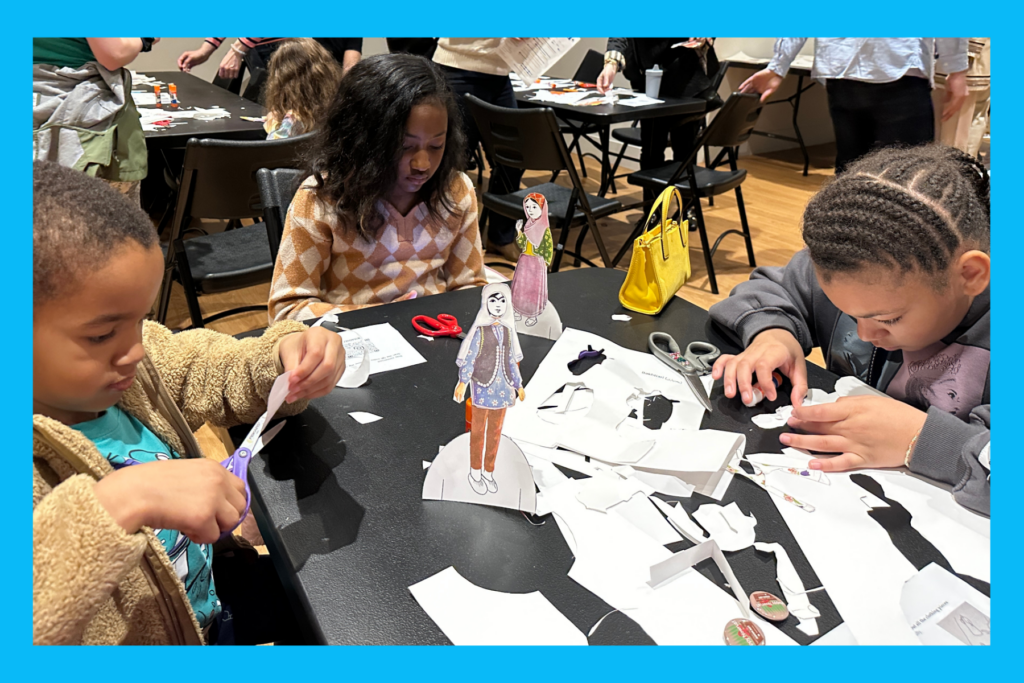
Crafting Paper Dolls blends a love of Art, Fashion & Culture
Step-by-Step: Create your List
Brainstorm Phase: Start with Questions
Ask your family what they already know—and what they want to learn.
Who are you curious about?
What places have you heard of?
What foods, music, or traditions sound interesting?
Let their answers guide the list. Places can be broad or specific depending on the age range of kids.
Research Phase: Tie Your Ideas to Categories
Sort your brainstorm into these proposed buckets to organize your thoughts. Feel free to create your own buckets too:
Learn: books, documentaries, websites, short YouTube clips
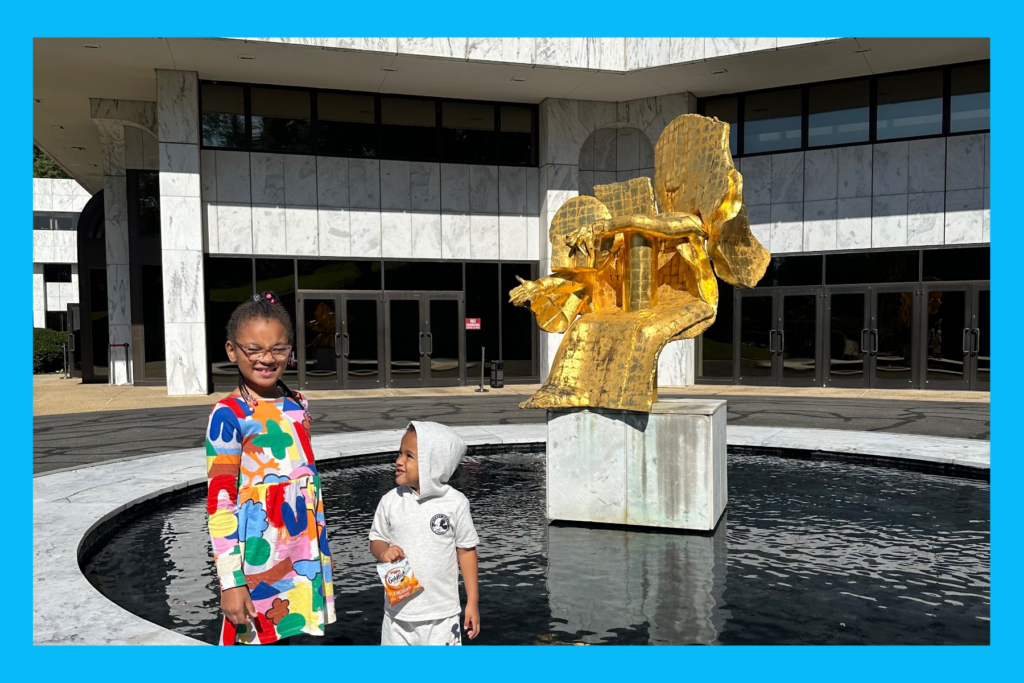
Visit: museums, neighborhoods, landmarks
Create: art, recipes, music, crafts
Connect: events, performances, local businesses
Reflect: family dinner conversations, journaling, scrapbooking
Make sure to keep it realistic for your schedule and budget. A great cultural bucket list can be:
1-2 outings
1-2 at-home activities or books to read
1-2 food experiences
1-2 conversations
Short list completed > Big plans that never happen
Execution Phase: Schedule it & Add Incentives
Add your ideas to the family calendar. If your family is like mine, you may need a little incentive to help get the job done like:
a special treat after an outing
choosing the next bucket list theme
earning points toward a family movie night or special outing
Incentives may keep the family engaged!
Reflection Phase: Document It
The purpose of this list is to not only have fun but to learn something new! Reinforce what they learned by capturing it for the reflection phase:
take photos
scrapbook the experience & include your own reviews or ratings
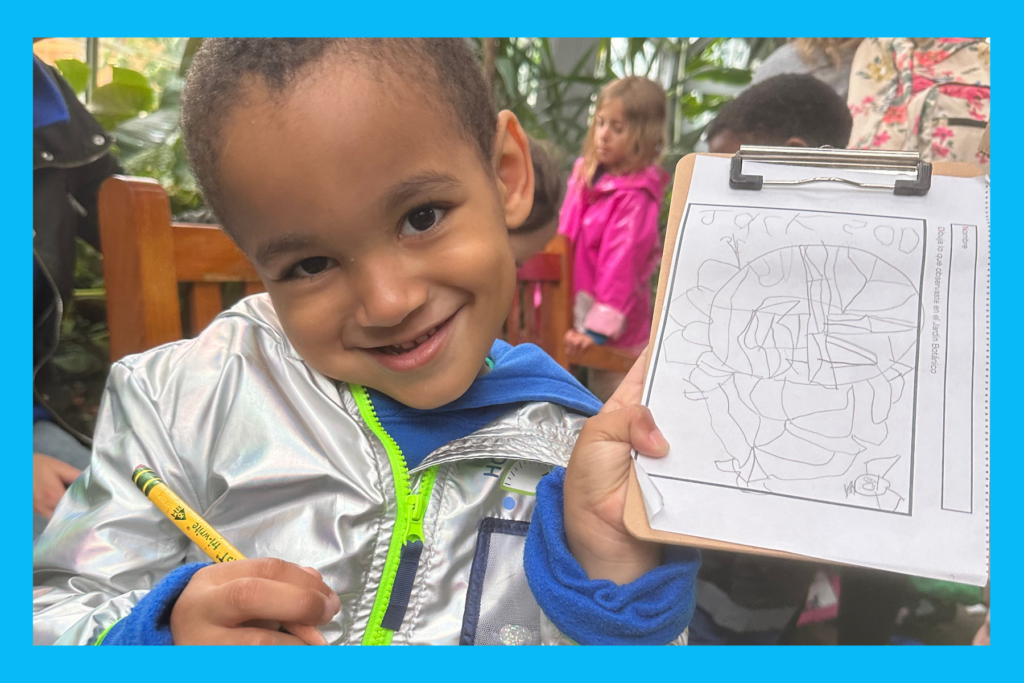
sketch what you saw and/or learned
journal/write about what you learned
By the end you’ll have a family story to add to your legacy box. How cool would it be to look back on the experience 10-20 years from now!
Festivals are a fun way of bringing culture to life!
Ideas to get you Started (with DMV Inspo)
Having trouble getting started? Once you’ve chosen a person, place, or theme, use these ideas to turn your curiosity into real experiences in and around the DMV.
Museums & historic sites:
Start with the Smithsonian museums! They’re free to visit and often feature exhibits or entire museums connected to the culture or moment in history you want to explore.
Check out National Park Service or your local parks and recreation website to discover historic homes, landmarks, and walking tours right in your county.
Community centers and colleges often host free or low-cost events, too.
Local neighborhoods & landmarks:
Cultural neighborhoods could serve as your hub of exploration. Check out the Ethiopian influences of Uptown DC and/or Silver Spring, MD or the Jewish community hubs in Rockville, MD.
As you research, you’ll notice pockets of cultural history woven into restaurants, houses of worship, murals, and small businesses.
For example, Germantown Library in Marylandhosts Little Dragon Story Hour for an immersive Chinese language experience, and many libraries curate book displays during heritage months.
Cultural exploration doesn’t need to end when you finish a list. Think of each bucket list as the beginning of a bigger family tradition—one that grows with your kids and your curiosity.
As your children get older, you can deepen the learning with new experiences or choose to space them out by month or season. The beauty of a cultural bucket list is that it’s never truly complete—you can keep adding to it as your family discovers new stories, places, and traditions.
Let your next list be the start of many more adventures right here in the DMV—and beyond.
Related Blogs
Start your cultural Exploration at NMAAHC
Ready to get started with cultural exploration? A great place to start is the National Museum of African American History and Culture, located on the National Mall in Downtown DC.